Fast, reliable drain cleaning and hydro jetting in Banning. Clear stubborn clogs with our professional pipe cleaning services.
(844)490-0751Banning's Mediterranean climate creates unique challenges for residential and commercial drainage systems. The region's hot, dry summers cause soil contraction and expansion that stresses underground pipes, while occasional winter rains saturate the ground, creating perfect conditions for tree root intrusion into aging sewer lines.
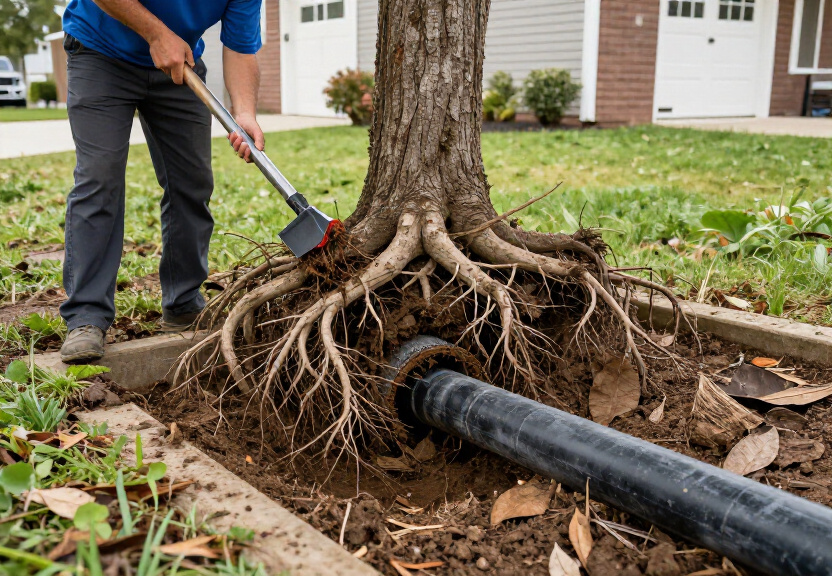
Many neighborhoods in Banning feature mature landscaping with palm trees, eucalyptus, and olive trees whose roots aggressively seek moisture from older clay and cast iron pipes. Combined with mineral buildup from hard water and debris accumulation, local property owners face frequent drain clogs and sewer line blockages that require professional intervention.
Professional drain cleaning removes buildup and debris from kitchen sinks, bathroom drains, and main lines using specialized equipment.
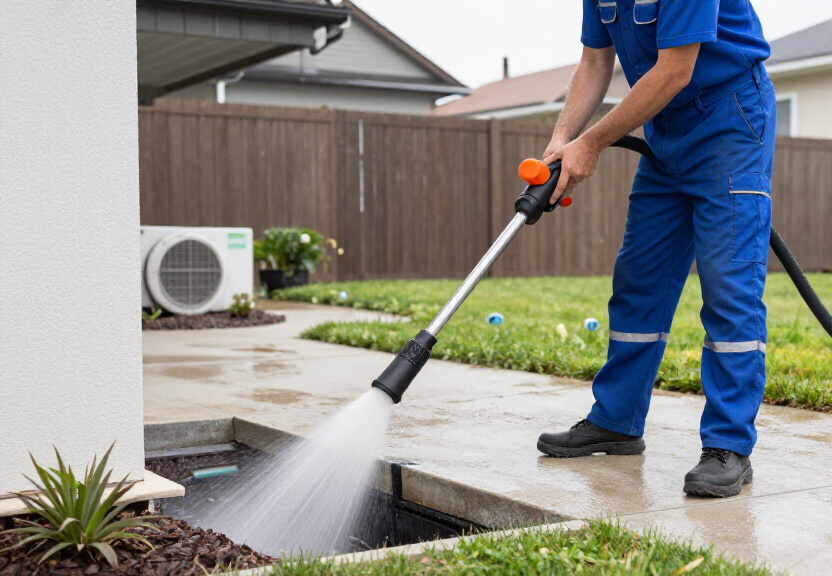
High-pressure hydro jetting blasts away years of scale, grease, and tree roots from pipes leaving them completely clean.
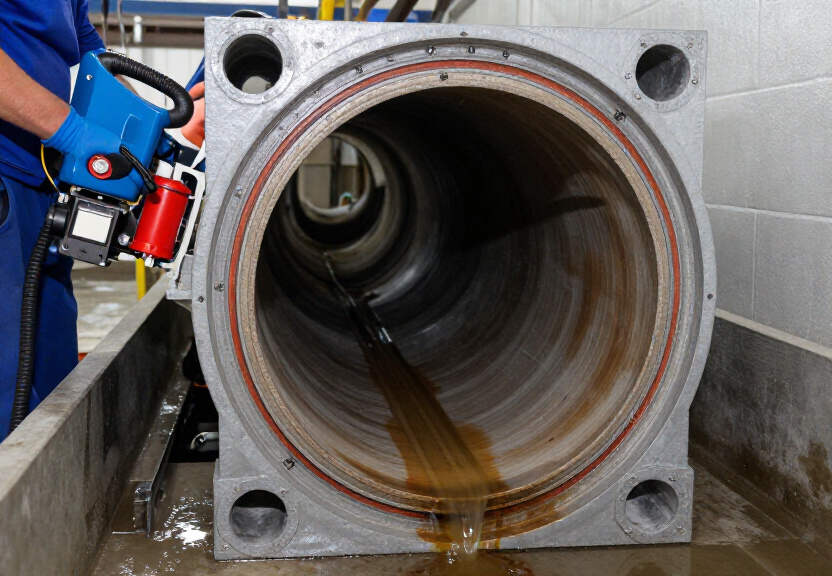
Comprehensive sewer line cleaning prevents backups and protects your property from costly water damage and health hazards.
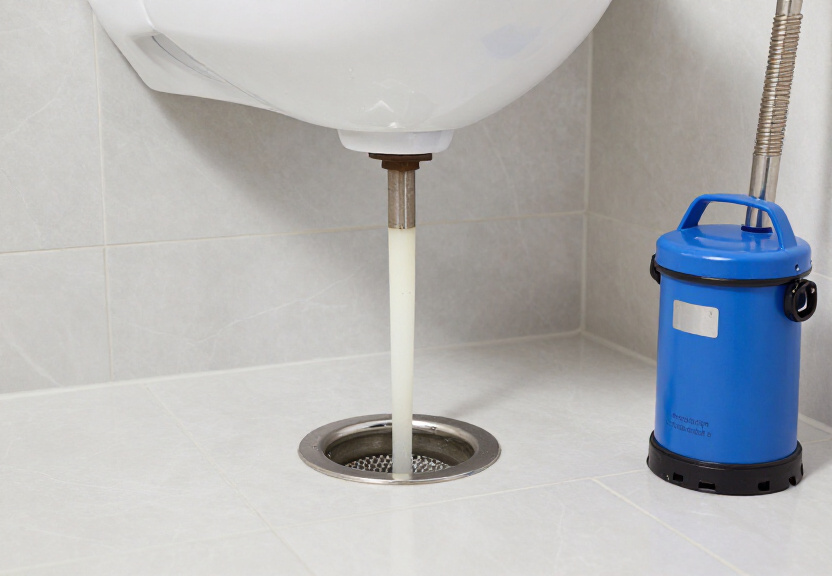
Expert clogged drain repair quickly clears blockages from hair, grease, soap scum, and foreign objects restoring proper flow.
Advanced video pipe inspection identifies clogs, cracks, and root intrusion without digging for accurate diagnosis.
Specialized tree root removal clears invasive roots from drains and repairs damage to prevent recurring blockages.
24/7 emergency drain services respond day or night to urgent clogs, backups, and sewer line failures in Banning.
Located in the San Gorgonio Pass, Banning experiences strong winds that carry dust and debris into outdoor drains and vent pipes, contributing to blockages throughout the year. Properties in older sections near Downtown Banning and the Bean Tract often contain original clay tile sewer lines installed decades ago, which are particularly vulnerable to root intrusion from the area's abundant olive and palm trees that thrive in the dry climate.
The region's rocky, well-draining soil can shift during Banning's seasonal temperature swings, causing pipe misalignment and creating entry points for aggressive tree roots seeking water. Local homeowners frequently encounter main line clogs from palm fronds, eucalyptus leaves, and roots from mature landscaping that has been growing for 30+ years. Regular hydro jetting and camera inspections are essential maintenance practices in this desert climate to prevent major sewer line failures.
The hot, dry Mediterranean climate causes soil shifting that cracks pipes, while mature palm and olive tree roots aggressively invade seeking moisture. Hard water mineral buildup and dust/debris from desert winds also contribute to recurring blockages in Banning homes.
In Banning's climate, annual professional drain cleaning is recommended, with hydro jetting every 2-3 years for properties with mature trees. Homes with older clay pipes in neighborhoods like Downtown Banning may need more frequent maintenance to prevent root intrusion.
Yes, professional hydro jetting is safe when properly adjusted. We use lower pressure for clay or cast iron pipes found in Banning's older neighborhoods. A camera inspection is always performed first to ensure pipe integrity before hydro jetting begins.
Slow drains, gurgling sounds, frequent backups, and multiple fixture clogs indicate roots. In Banning, properties with palm or eucalyptus trees over 20 years old are especially at risk due to the dry soil conditions that drive roots toward moisture in sewer lines.
Absolutely. Our hydro jetting and rooter services clear blockages through cleanout access points. Camera inspections locate problems precisely, minimizing excavation needs. Most drain cleaning in Banning is completed with no digging required.
Yes, we provide 24/7 emergency drain cleaning throughout Banning and the San Gorgonio Pass area. Fast response prevents property damage and health hazards from sewage backups, especially crucial during winter rain events when soil saturation increases failure risks.