Professional drain unclogging and hydro jetting services for Bristol homes and businesses. Fast response for emergencies.
(844)490-0751Bristol's cold winters and humid summers create unique challenges for residential and commercial drain systems. The freeze-thaw cycles common in central Connecticut cause ground movement that stresses aging pipes, while summer humidity accelerates organic buildup inside drain lines. Many Bristol properties, particularly in historic neighborhoods, still rely on original cast iron or clay sewer pipes that are susceptible to cracking, corrosion, and root intrusion after decades of service.
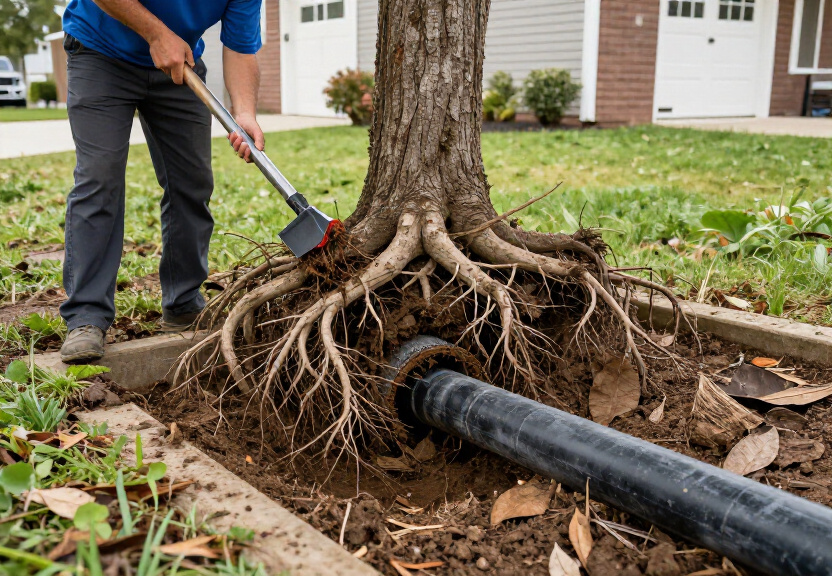
Tree root infiltration represents one of the most persistent drain problems in Bristol, as mature maples, oaks, and pines throughout the city send invasive roots into compromised sewer lines seeking moisture. These roots quickly expand inside pipes, creating severe blockages and structural damage that require professional intervention. Combined with grease, soap residue, and mineral deposits, Bristol homeowners face recurring clogs that demand specialized drain cleaning solutions rather than temporary fixes.
Expert drain cleaning services for kitchen sinks, bathroom drains, and floor drains using professional-grade equipment.
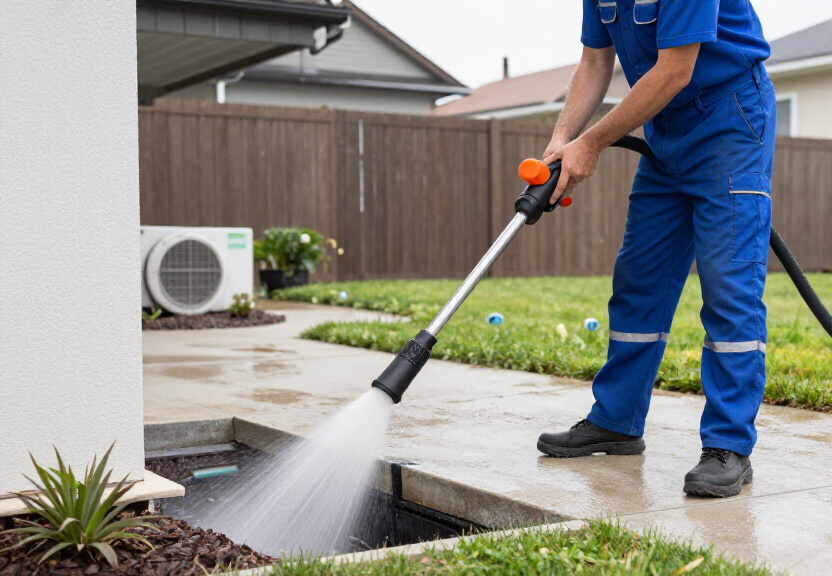
High-pressure hydro jetting blasts away years of buildup, grease, and tree roots from pipes for long-lasting results.
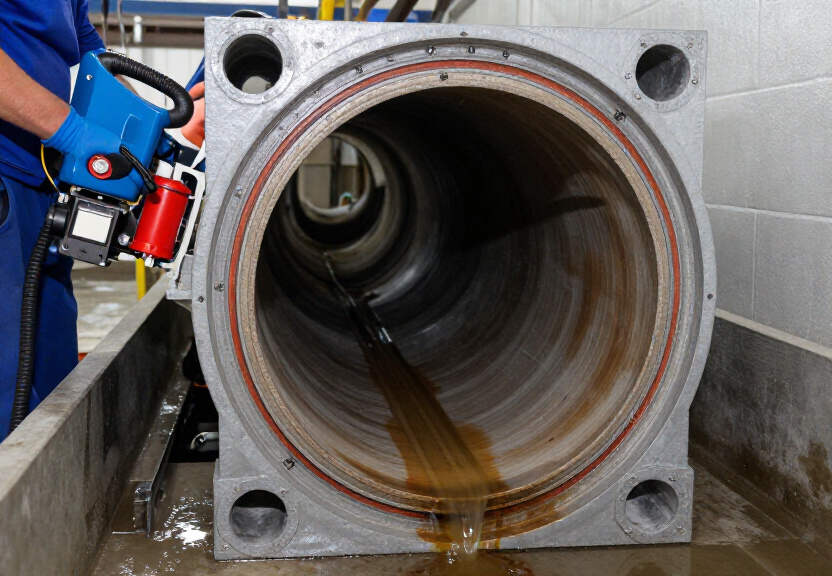
Sewer line cleaning clears main line blockages and prevents backups using advanced cable and jetting equipment.
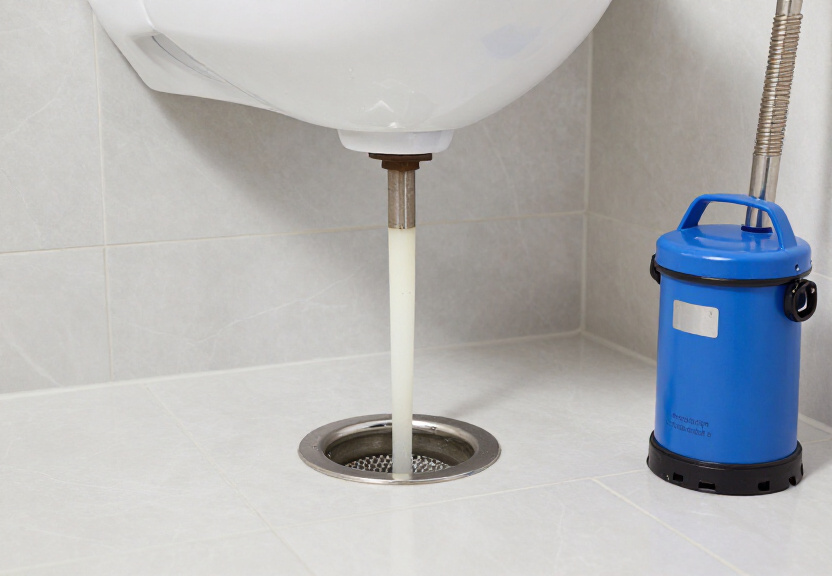
Fast clogged drain repair removes blockages from hair, grease, soap scum, and debris to restore proper flow.
Video camera inspection identifies clogs, cracks, and root intrusion inside pipes without digging or guesswork.
Specialized root removal clears invasive tree roots from sewer lines and prevents recurring drain blockages.
24/7 emergency drain service responds day or night to backups, overflows, and urgent clogs in Bristol CT.
Bristol's distinctive neighborhoods each present specific drain cleaning challenges rooted in the city's development history. Areas like Federal Hill and Forestville feature homes built in the 1920s through 1950s with original clay tile sewer lines and cast iron drain stacks that have reached the end of their lifespan. The region's harsh winter temperatures, regularly dropping below freezing for extended periods, cause soil expansion and contraction that cracks brittle pipes and separates joints, allowing root entry and soil infiltration. During humid summer months, increased water usage and organic waste accelerate the formation of stubborn blockages that simple plunging cannot resolve.
The mature tree canopy that defines Bristol's residential character—dominated by Norway maples, red oaks, silver maples, and Eastern white pines—poses the greatest threat to sewer infrastructure. These species develop extensive, aggressive root systems that can infiltrate pipe joints as small as 1/8 inch, eventually expanding to completely obstruct 6-inch sewer mains. Properties near the Pequabuck River corridor or in the Chippens Hill area experience particularly severe root intrusion due to the combination of older infrastructure and dense tree coverage. Professional hydro jetting and mechanical root cutting provide the only effective long-term solution, as chemical treatments damage the environment and offer only temporary relief.
Bristol's aging clay and cast iron pipes, combined with invasive tree roots from mature maples and oaks, create recurring clogs. Freeze-thaw cycles crack pipes, allowing root entry, while grease, soap scum, and mineral buildup restrict flow. Homes built before 1960 are especially vulnerable to these combined factors.
Professional hydro jetting is safe for most older pipes when preceded by a camera inspection. Our technicians assess pipe condition first and adjust pressure accordingly. For Bristol's historic clay and cast iron lines in good structural condition, hydro jetting effectively removes decades of buildup and tree roots without causing damage.
Bristol's sub-freezing winters cause soil to expand and contract, stressing underground pipes. This freeze-thaw movement cracks clay tiles and separates pipe joints, creating entry points for tree roots and soil. The result is increased blockages and potential sewer line collapses during spring thaw periods.
Yes. Bristol's mature Norway maples, oaks, and pines develop powerful root systems that exploit even hairline cracks in sewer pipes. Once inside, roots expand rapidly, breaking clay tiles and fracturing cast iron. A small root intrusion can develop into a complete pipe collapse requiring emergency replacement within 1-2 growing seasons.
For Bristol homes with older infrastructure, we recommend professional drain cleaning every 12-18 months as preventive maintenance. Properties with large trees should schedule annual service. Regular cleaning prevents emergency backups and extends the life of aging sewer lines by removing roots and buildup before they cause major damage.
Drain snaking uses a rotating cable to pierce through clogs, providing temporary relief. Hydro jetting employs 4,000 PSI water pressure to completely scour pipe walls, removing all grease, scale, and tree roots. For Bristol's chronic root and buildup problems, hydro jetting delivers longer-lasting results and restores full pipe diameter.