Expert drain cleaning and hydro jetting for Johns Creek homes. Fast, reliable service for clogged drains, sewer backups, and root removal.
(844)490-0751Johns Creek's hot, humid summers and dense Georgia red clay soil create perfect storm conditions for drain problems. The expansive clay shifts dramatically with seasonal moisture, stressing underground pipes and creating cracks where tree roots invade. This constant movement, combined with summer thunderstorms that wash debris into cleanouts, accelerates pipe deterioration throughout Fulton County.
Many Johns Creek neighborhoods feature mature landscaping with aggressive root systems seeking moisture in aging sewer lines. Homes built in the 1980s and 1990s often contain cast iron pipes reaching the end of their lifespan. Without professional maintenance, these factors lead to recurring backups, slow drains, and costly sewer line failures for local homeowners.
Professional drain cleaning removes years of buildup from grease, soap, and debris, restoring full flow to your Johns Creek home's plumbing system.
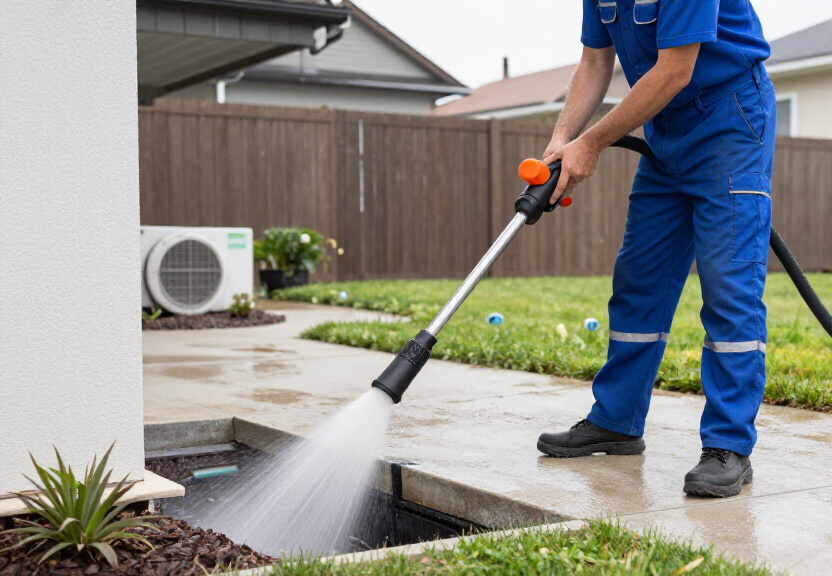
High-pressure hydro jetting uses 4,000 PSI water streams to blast away grease, scale, and tree roots from pipes throughout Johns Creek homes.
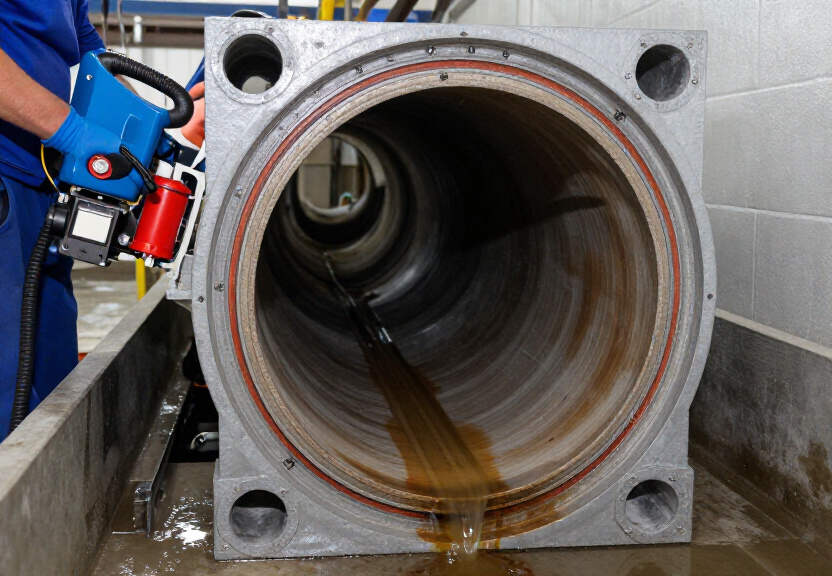
Sewer line cleaning clears main line blockages and prevents backups using advanced cable machines and hydro jetting for Johns Creek residents.
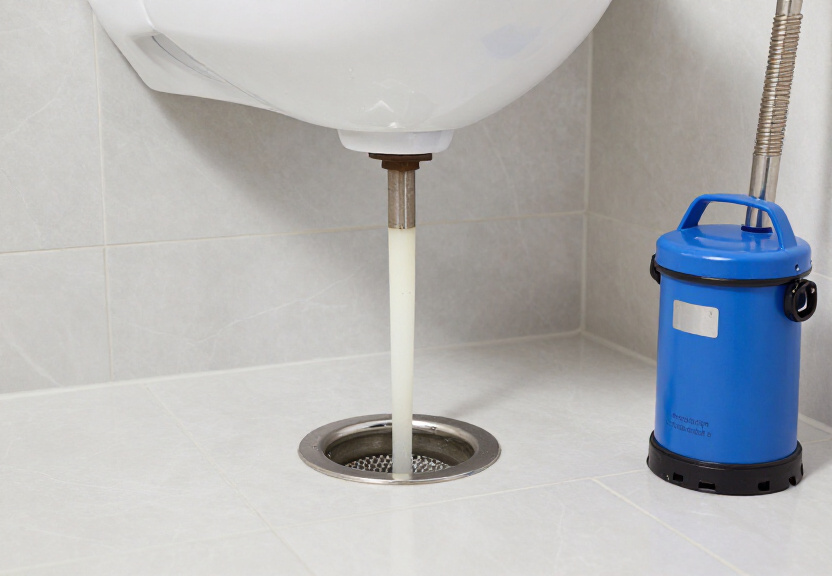
Fast clogged drain repair clears kitchen sinks, bathroom drains, and main sewer lines using specialized equipment for Johns Creek properties.
Video camera inspections locate clogs, cracks, and root intrusion in your drains without excavation, providing accurate diagnostics for Johns Creek homes.
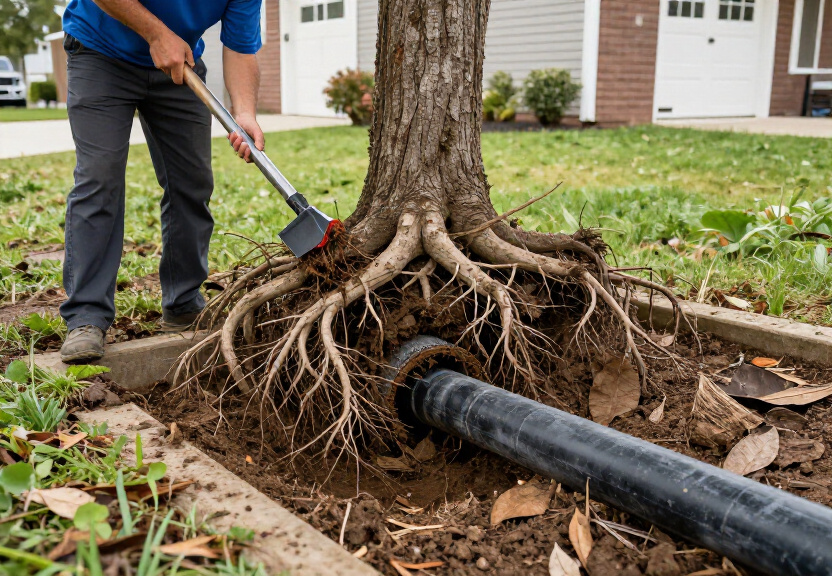
Tree root removal clears invasive roots from sewer lines and drains, restoring proper flow and preventing pipe damage in Johns Creek neighborhoods.
24/7 emergency drain services respond within 60 minutes to backups and overflows throughout Johns Creek, providing rapid solutions when you need them.
Johns Creek's subtropical climate with 90°F+ summers causes significant ground movement in the area's dense red clay soil. This expansion and contraction creates stress fractures in aging pipes, particularly in established neighborhoods like Medlock Bridge and St. Ives where 1980s-era cast iron plumbing is common. Summer thunderstorms also overwhelm drainage systems, washing debris into outdoor cleanouts and exacerbating existing clogs.
Local tree species including water oak, loblolly pine, and silver maple aggressively invade sewer lines seeking moisture during Georgia's dry periods. These roots can completely obstruct 4-inch sewer mains within 12-24 months. Our technicians frequently encounter root intrusion in properties along the Chattahoochee River corridor where the high water table and mature tree canopy create ideal conditions for pipe damage. Regular hydro jetting and root treatment are critical maintenance steps for Johns Creek homeowners.
Johns Creek's combination of mature tree roots, Georgia red clay soil shifting, and aging cast iron pipes in neighborhoods built in the 1980s-90s creates frequent blockages. Grease buildup and mineral deposits from hard water also contribute to recurring clogs.
Hot, humid summers cause clay soil to expand and contract, stressing underground pipes and creating cracks where tree roots infiltrate. This movement accelerates pipe deterioration and increases backup risks throughout Fulton County.
Yes, when performed by professionals who adjust pressure based on pipe condition. Hydro jetting is ideal for removing Georgia clay sediment and root masses from aging cast iron lines common in Johns Creek's older neighborhoods.
Water oaks, loblolly pines, silver maples, and river birches along the Chattahoochee corridor are primary culprits. Their aggressive root systems seek moisture in sewer lines, especially during dry periods.
Annual professional cleaning is recommended for homes with mature trees or clay soil. Properties with recurring issues or older pipes benefit from hydro jetting every 6-12 months to prevent root intrusion and buildup.
Snaking breaks through clogs but leaves residue, while hydro jetting uses high-pressure water to completely clean pipe walls, removing grease, scale, and small root masses. Jetting provides longer-lasting results for Johns Creek's challenging conditions.