Fast, reliable drain unclogging and sewer cleaning for Olean homes and businesses. 24/7 emergency service available.
(844)490-0751Olean's location in Western New York's snow belt creates unique challenges for residential and commercial drainage systems. The city's historic neighborhoods, many dating back to the early 1900s, feature aging clay and cast iron pipes that are vulnerable to freeze-thaw cycles during harsh winters and heavy runoff during humid summer storms.
Local properties face frequent root intrusion from mature maple and oak trees, while decades of corrosion and ground settlement cause cracks and separations in sewer lines. These factors combine to make professional drain maintenance essential for Olean homeowners and businesses looking to prevent costly backups and property damage.
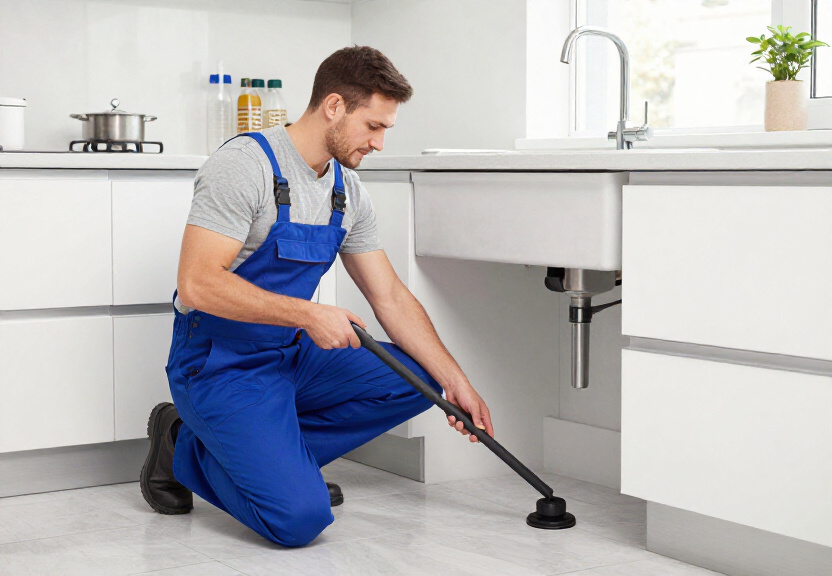
Professional drain cleaning removes buildup and debris from kitchen sinks, bathroom drains, and floor drains throughout your Olean property.
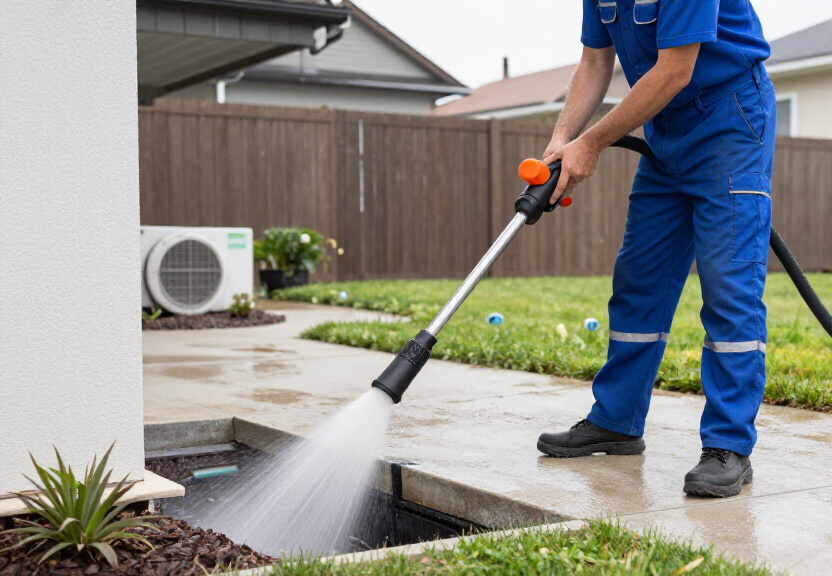
High-pressure water jetting blasts away years of scale, grease, and tree roots from sewer lines and drain pipes with 4,000 PSI power.
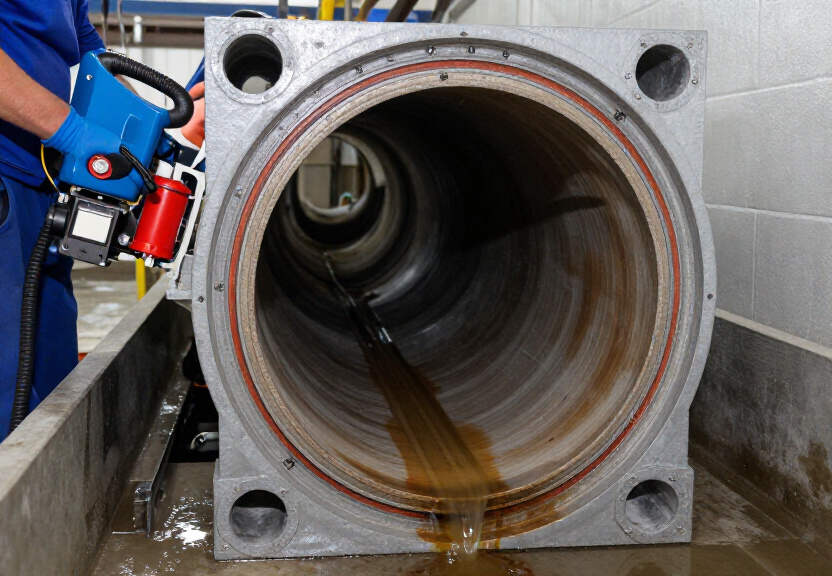
Comprehensive sewer line cleaning prevents backups and protects your property from costly water damage in Olean's older neighborhoods.
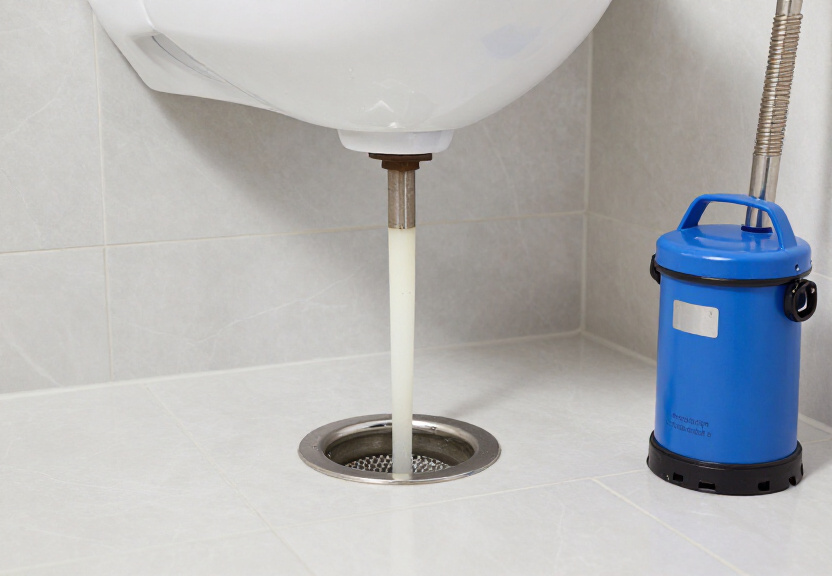
Expert unclogging services for stubborn blockages caused by grease, hair, soap scum, and foreign objects in your Olean home or business.
Video camera inspections locate clogs, cracks, and root intrusion in underground pipes without digging up your Olean yard.
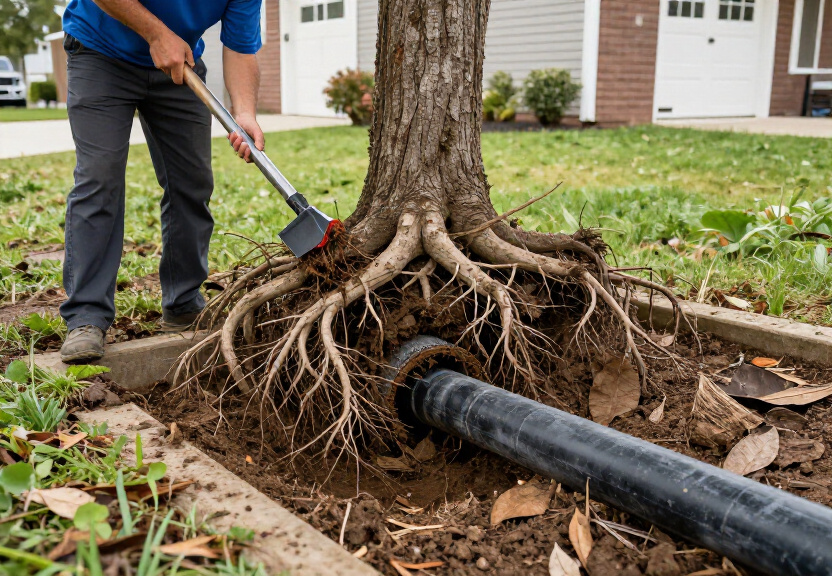
Specialized root cutting and removal services clear tree root blockages from clay and cast iron sewer lines common in Olean properties.
24/7 emergency drain cleaning responds to sewage backups and severe clogs anytime in Olean and surrounding Cattaraugus County areas.
The extreme seasonal temperature swings in Olean put tremendous stress on underground pipes. Winter temperatures regularly drop below freezing, causing soil to heave and contract around sewer lines, while summer humidity accelerates tree root growth that seeks moisture inside cracked pipes. Older homes in areas like the East Olean historic district and near St. Bonaventure University often have original terra cotta or cast iron drainage systems that are now beyond their 50-year lifespan, making them susceptible to collapse and severe root intrusion.
Local tree species including sugar maples, red oaks, and Eastern white pines are particularly aggressive in infiltrating sewer lines through even the smallest joints or cracks. Properties along the Allegheny River valley and in the hillier sections of Olean face additional challenges from shifting soils and higher water tables that can overwhelm compromised drainage systems. Regular hydro jetting and camera inspections are especially critical in these areas to maintain clear flow and identify problems before they become emergencies.
In Olean's climate, annual professional drain cleaning is recommended. Homes with mature trees or pipes over 30 years old benefit from hydro jetting every 12-18 months to prevent root intrusion and freeze-thaw damage.
Yes, when performed by trained technicians using proper pressure settings. Hydro jetting is ideal for Olean's historic clay pipes as it removes roots and scale without chemicals, though a camera inspection first ensures pipes are structurally sound.
Olean's cold winters cause grease to solidify in pipes, while humid summers accelerate tree root growth into cracked sewer lines. Combined with aging cast iron corrosion and mineral buildup from hard water, these factors create frequent stubborn clogs.
While roots can be cleared with hydro jetting and cutting tools, permanent removal requires repairing or replacing damaged pipe sections. Annual maintenance prevents regrowth from becoming a major blockage in Olean's root-prone areas.
Multiple backed-up drains, sewage odors, gurgling toilets, or water pooling in your yard indicate immediate problems. In Olean, these symptoms often worsen during heavy rains or spring thaws and require 24/7 emergency response.
Freeze-thaw cycles cause soil movement that cracks pipes and separates joints. Cold temperatures harden grease deposits, while spring meltwater infiltrates damaged lines. Pre-winter inspections help prevent cold-weather emergencies.