Professional drain cleaning in Rochester, Minnesota. Expert clogged drain repair, hydro jetting, and sewer line services with local expertise.
(844)490-0751Rochester's extreme temperature swings from subzero winters to humid summers create unique challenges for drain and sewer systems. The annual freeze-thaw cycle causes ground movement that stresses underground pipes, leading to cracks, misaligned joints, and increased vulnerability to tree root intrusion. Cold weather also solidifies grease and fats in kitchen drains, while spring snowmelt and heavy rains can overwhelm compromised sewer lines.
Many Rochester neighborhoods, particularly in the Historic Southwest and Pill Hill areas, feature homes built before the 1970s with aging cast iron or clay tile sewer lines. These older materials deteriorate over time, becoming brittle and developing cracks that attract invasive tree roots. The city's mature urban canopy, while beautiful, means root-related blockages are a constant concern for property owners throughout southeastern Minnesota.
Expert drain cleaning services for Rochester homes and businesses using advanced equipment to clear blockages and restore full flow quickly.
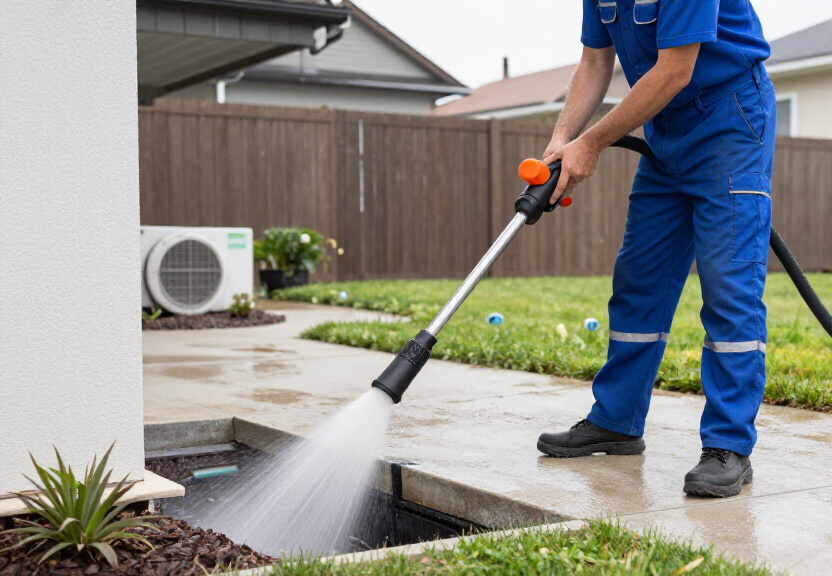
High-pressure hydro jetting blasts away grease, scale, and tree roots from Rochester sewer lines for long-lasting, thorough cleaning results.
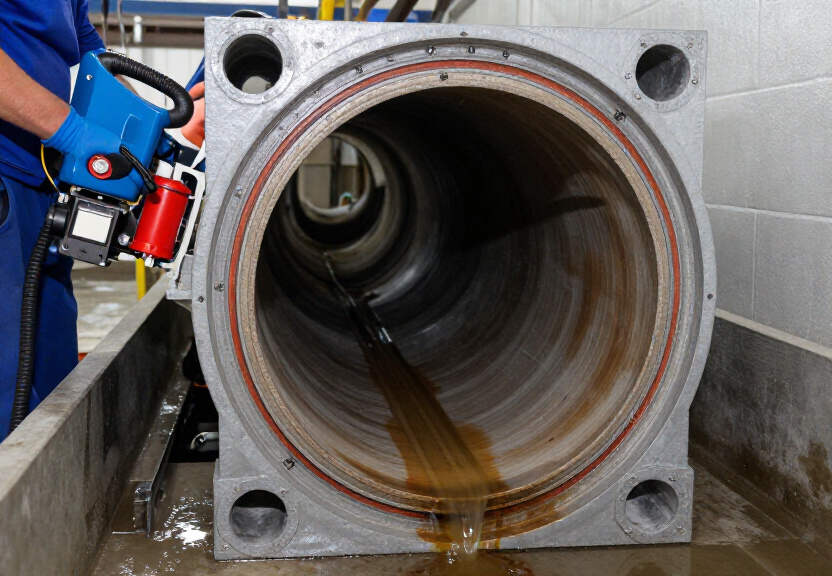
Comprehensive sewer line cleaning and maintenance to prevent backups and protect your Rochester property from costly water damage.
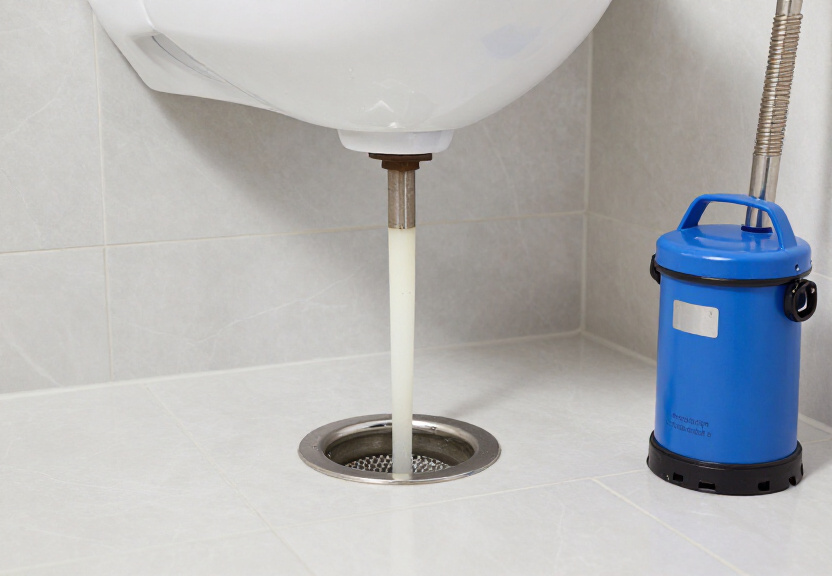
Fast clogged drain repair in Rochester. We clear kitchen sinks, bathroom drains, and main sewer lines with professional-grade tools and expertise.
Advanced video camera inspection identifies clogs, cracks, and root intrusion in Rochester drain lines without destructive digging.
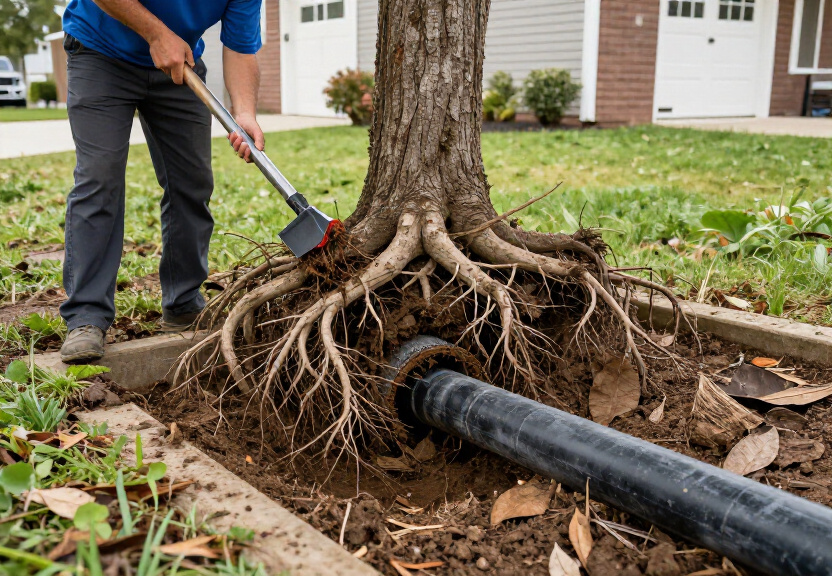
Specialized tree root removal services for Rochester properties. We clear invasive roots from maples, oaks, and ash trees damaging sewer lines.
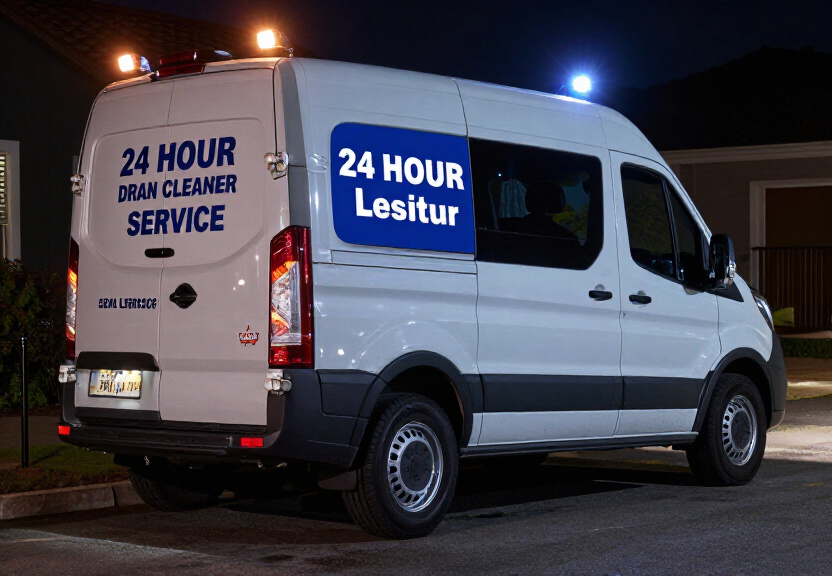
24/7 emergency drain cleaning in Rochester. Fast response for sewer backups, flooded basements, and urgent clogs – day or night.
Rochester's harsh winters, with temperatures regularly dropping below zero, cause soil to freeze deeply and expand, putting tremendous pressure on underground pipes. When spring thaw arrives, the rapid ground shift can separate pipe joints and create entry points for roots and debris. This seasonal cycle makes preventative maintenance especially critical for Rochester homeowners. Additionally, summer storms bring heavy rainfall that can expose weaknesses in your drainage system, making regular cleaning essential before the ground freezes again.
Local neighborhoods like Kutzky Park, Slatterly Park, and Homestead Hills have significant numbers of homes with 50-100 year old infrastructure. These areas frequently experience root intrusion from silver maples, green ash, and cottonwood trees that line Rochester's streets. The clay soil common in Olmsted County holds moisture, attracting roots to sewer lines. Our specialized equipment is designed to handle the unique challenges of Rochester's mix of older clay tile pipes and newer PVC systems, ensuring effective cleaning regardless of your home's age or location in the Med City.
Freeze-thaw cycles cause ground shifting that cracks pipes and separates joints, allowing root intrusion and debris buildup. Winter grease solidification also increases clog risks in Rochester homes.
Kitchen grease (worse in cold months), hair and soap scum, food waste, and invasive tree roots from maple, oak, and ash trees common in southeastern Minnesota neighborhoods.
Yes, our technicians adjust pressure for cast iron and clay pipes common in Pill Hill and Historic Southwest neighborhoods, safely removing buildup without causing damage.
For Rochester properties with mature trees, annual cleaning prevents root blockages. Homes without root issues typically need professional service every 18-24 months.
Absolutely. Rochester's mature maple, elm, and cottonwood roots seek moisture in cracked clay or cast iron pipes, eventually causing complete blockages and pipe collapse.
Yes, we provide 24/7 emergency drain cleaning year-round, including during blizzards and extreme cold when frozen lines and backups are most common in Minnesota.