Professional drain cleaning services in Seattle, WA. Fast response for clogged drains, hydro jetting, and sewer line cleaning. Available 24/7.
(844)490-0751Seattle's mild, wet winters and dry summers create unique challenges for residential and commercial drainage systems. The constant moisture during winter months accelerates pipe deterioration, while summer droughts cause soil shifting that can crack aging sewer lines. Many homes in Seattle's historic neighborhoods still rely on original clay or cast iron pipes that are susceptible to corrosion and collapse.
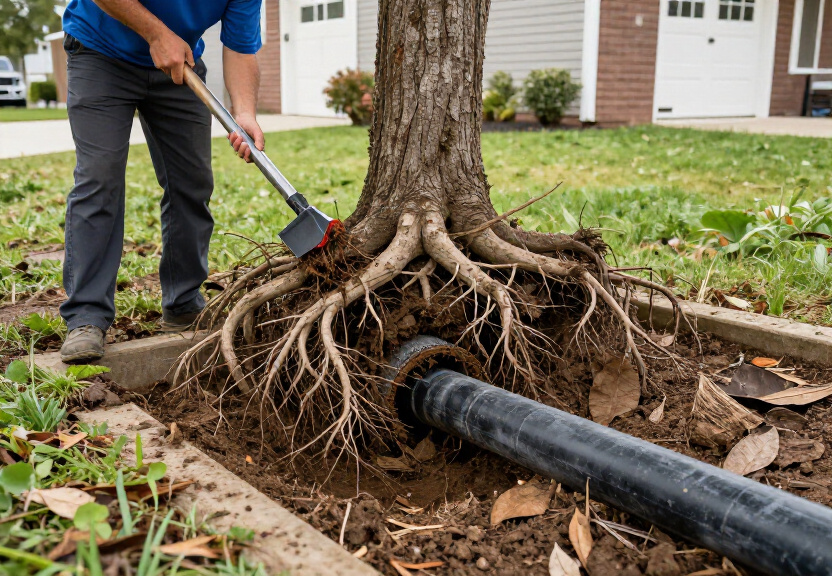
Tree root intrusion is a particularly severe problem in the Pacific Northwest, with Seattle's abundant rainfall encouraging aggressive root growth that seeks out moisture in sewer lines. The combination of older infrastructure, dense tree canopy, and seasonal precipitation patterns makes regular drain maintenance essential for property owners throughout King County.
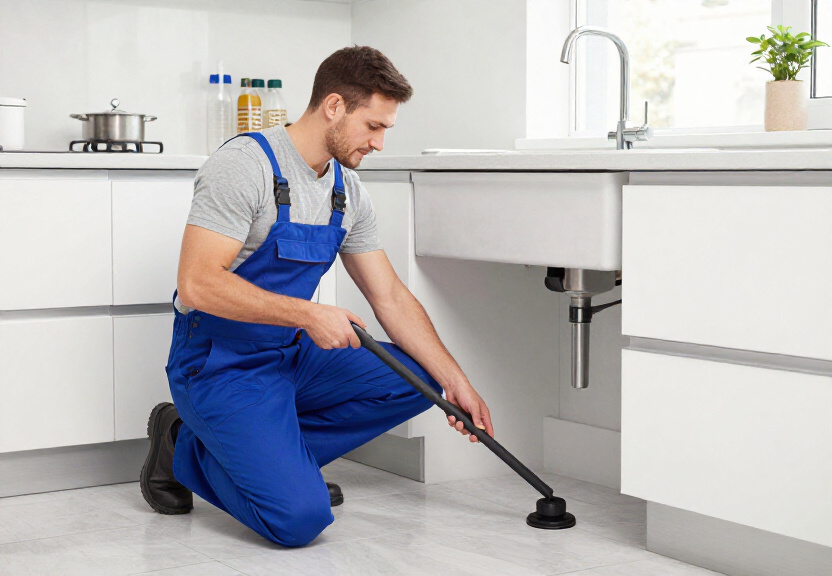
Professional drain cleaning removes buildup, grease, and debris from your pipes to restore full flow and prevent future clogs.
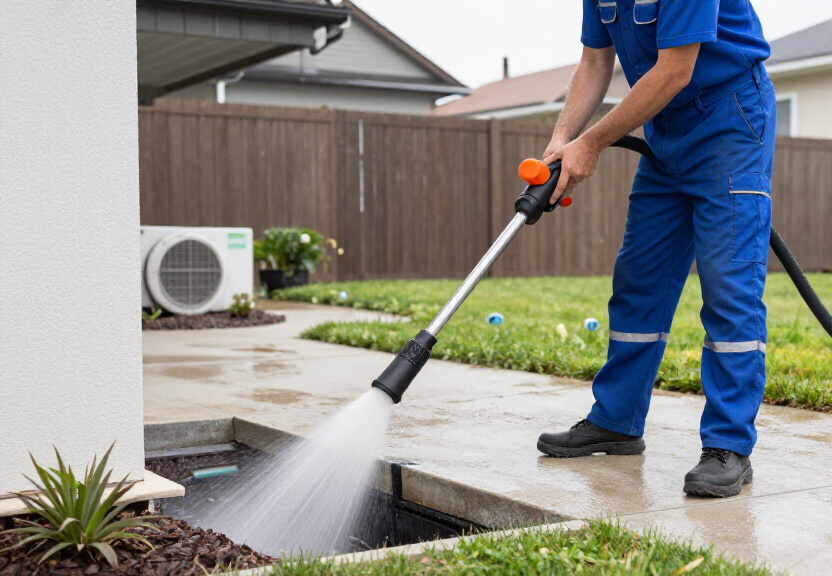
High-pressure hydro jetting blasts away years of grease, scale, and roots from sewer lines using 4,000 PSI water streams.
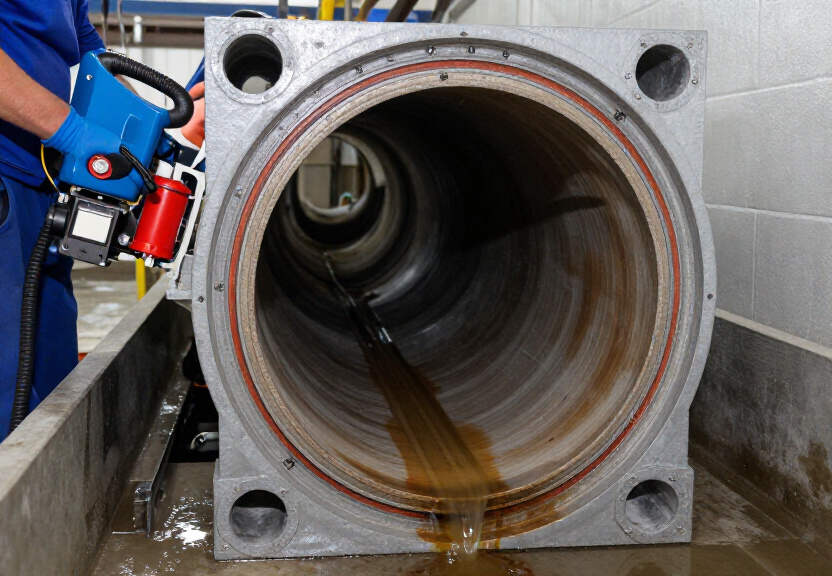
Comprehensive sewer line cleaning and maintenance to prevent backups and extend the life of your underground pipes.
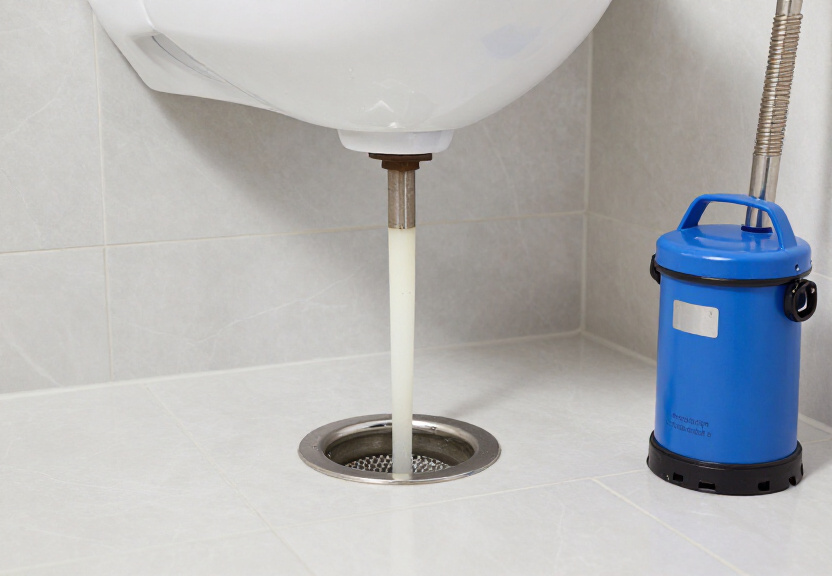
Fast clogged drain repair for sinks, toilets, showers, and floor drains. We clear blockages quickly without damaging your pipes.
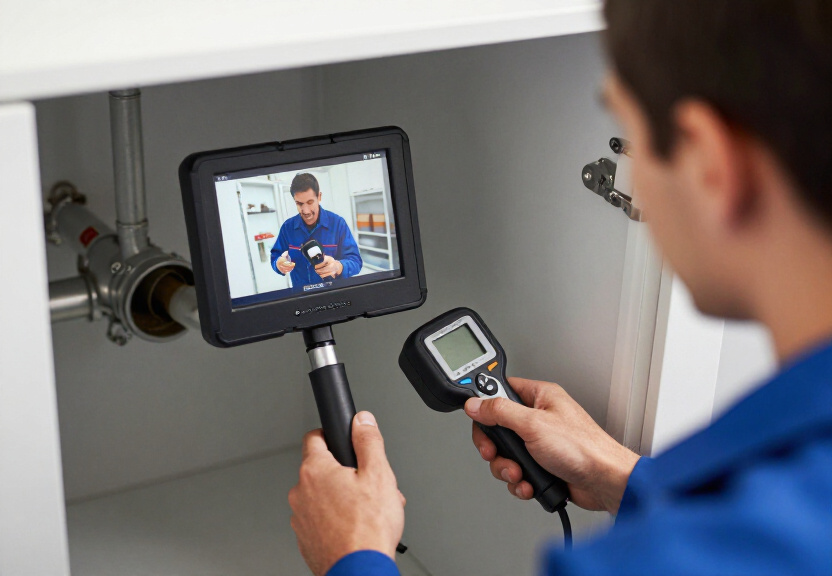
Video camera inspections locate clogs, cracks, and root intrusion with precision, eliminating guesswork and unnecessary digging.
Specialized tree root removal services cut through invasive roots and repair damaged sections to prevent recurring blockages.
24/7 emergency drain services for urgent backups, overflows, and sewer line failures throughout Seattle and surrounding areas.
Seattle's unique climate patterns directly impact underground plumbing systems. Our wet winters saturate soil, increasing hydrostatic pressure on pipes and accelerating the search for moisture by tree roots. During dry summer months, soil contraction can separate pipe joints, creating entry points for roots and debris. Properties in neighborhoods like Capitol Hill, Queen Anne, and Ballard face additional challenges from century-old clay tile sewers that are brittle and prone to cracking under these conditions.
Common Seattle trees like Douglas fir, Western red cedar, and Bigleaf maple have extensive root systems that aggressively invade sewer lines. These native species thrive in our moist environment and can completely obstruct a 6-inch sewer pipe within months. Regular hydro jetting and camera inspections are particularly critical for homes built before 1980, when PVC pipes became standard. Investing in preventative maintenance now can prevent catastrophic sewer backups during our heaviest rainfall periods in November through February.
In Seattle's climate, we recommend annual drain cleaning for most homes due to heavy rainfall and tree root growth. Properties with large trees or older clay pipes benefit from hydro jetting every 6-12 months to prevent major blockages.
Yes, when performed by professionals. We adjust pressure based on pipe condition and material. For fragile clay or cast iron pipes, we use lower PSI and camera inspections first to assess pipe integrity before hydro jetting.
Seattle's frequent clogs stem from tree root intrusion, aging clay/cast iron pipes, grease buildup from cooler temperatures, and soil shifting during wet/dry cycles. Camera inspections identify the specific cause in your system.
Absolutely. Our hydro jetting equipment with specialized root-cutting nozzles can eliminate most root blockages through existing cleanouts. Camera inspection confirms complete removal and pipe condition.
Drain snaking breaks through clogs but leaves residue. Hydro jetting uses high-pressure water to completely clean pipe walls, removing grease, scale, and roots for longer-lasting results, especially effective in Seattle's wet climate.
Yes, we provide 24/7 emergency drain cleaning year-round, with priority response during peak rainfall months (November-February) when sewer backups are most common in the Seattle area.